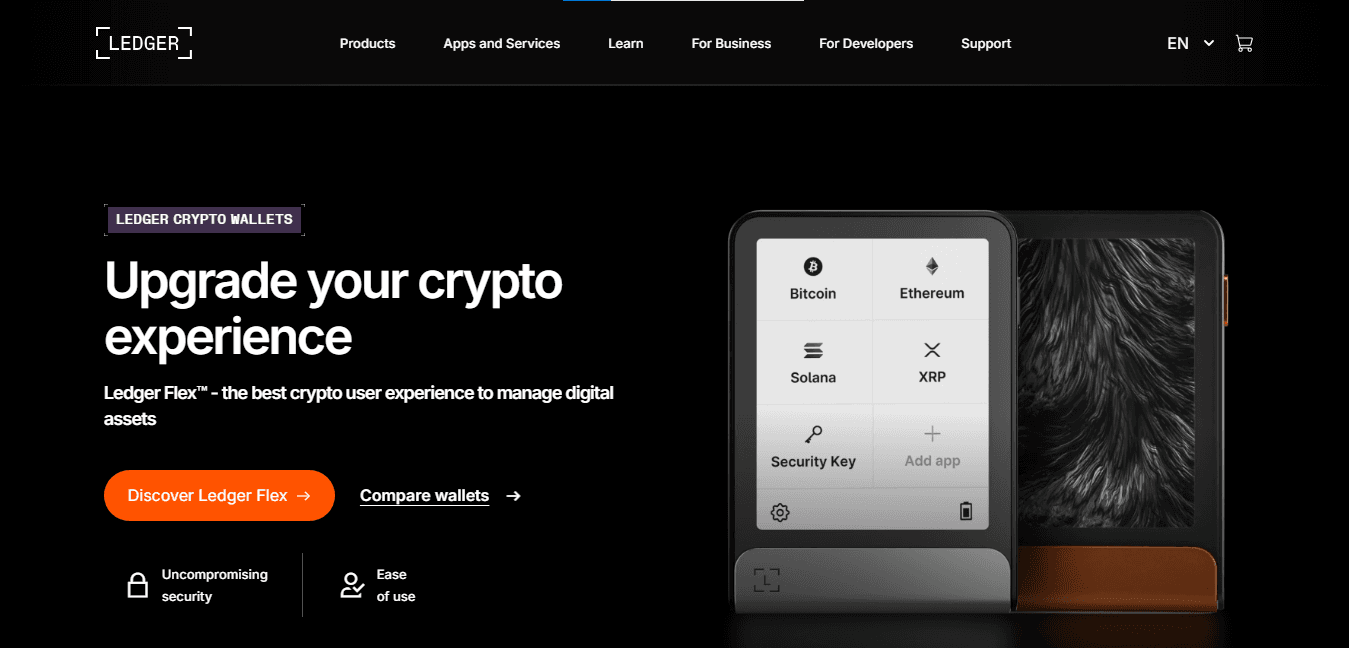
Ledger.com/start: Your Complete Guide to Getting Started with Ledger
In the rapidly evolving world of cryptocurrencies, security is one of the most important aspects for any investor. Digital assets are decentralized and stored on blockchains, which means that anyone with access to the private keys can control the funds. Unlike traditional banks, cryptocurrencies don’t have an institution to recover lost funds, making security a top priority. One of the most trusted solutions for protecting crypto assets is using a hardware wallet, and Ledger is a leading provider of these devices. For anyone beginning their journey, Ledger.com/start provides a comprehensive guide for safely setting up a Ledger hardware wallet.
Understanding Ledger Hardware Wallets
A Ledger hardware wallet is a small electronic device specifically designed to securely store cryptocurrency private keys offline. Private keys are essential to access and control your digital funds, and keeping them offline drastically reduces the risk of hacking, malware, or phishing attacks. Unlike software wallets, which exist on computers or smartphones and remain exposed to online threats, hardware wallets ensure that private keys never leave the device.
Ledger wallets use secure chips similar to those in credit cards and passports. This secure element prevents sensitive information from being accessed or tampered with, even if the device is physically handled by someone else. These devices support a wide range of cryptocurrencies, from popular coins like Bitcoin and Ethereum to numerous altcoins, allowing users to manage multiple accounts from one device.
What Ledger.com/start Offers
Ledger.com/start serves as the official starting point for anyone looking to set up a Ledger hardware wallet. The purpose of this page is to guide users through the setup process step by step, ensuring a safe and organized approach. It provides instructions on unboxing the device, installing necessary software, generating and securing recovery phrases, and verifying the authenticity of the wallet.
By following the structured guidance offered on Ledger.com/start, users reduce the risk of mistakes that could compromise their security. The instructions are designed for both beginners and experienced crypto users, emphasizing security and best practices at every stage.
Unboxing Your Ledger Device
The first step in the setup process involves unboxing your Ledger hardware wallet. Typically, the package includes the device itself, a USB cable, a keychain or strap, and recovery sheets for writing down the recovery phrase. Before using the device, it is essential to ensure that the packaging has not been tampered with and that the device appears genuine.
Ledger.com/start provides clear guidance for this verification process. It is important to perform these checks in a private environment to prevent unauthorized viewing of sensitive information. Taking the time to properly unbox and verify the device is the first step in securing your digital assets.
Installing Ledger Live
Ledger Live is the official desktop and mobile application that allows users to manage accounts, install applications for different cryptocurrencies, and monitor balances. During the setup process, users are directed to download Ledger Live for their specific operating system. This software acts as a bridge between the Ledger device and the blockchain network.
Ledger Live ensures that private keys never leave the device while enabling users to send and receive transactions, check portfolio balances, and install or remove cryptocurrency apps securely. The software is available for Windows, macOS, Linux, Android, and iOS, providing flexibility for different user preferences.
Setting Up the Device and PIN
After connecting the Ledger device and launching Ledger Live, users are prompted to set a personal identification number (PIN). This PIN protects the device from unauthorized access. It is essential to choose a strong, unique PIN that is easy to remember but difficult for others to guess. Avoid using predictable numbers such as birthdays or repeated digits.
Once the PIN is set, the device generates a recovery phrase, usually consisting of 24 randomly selected words. This recovery phrase is the backup that allows users to restore their wallet in case the device is lost, stolen, or damaged.
Securing the Recovery Phrase
The recovery phrase is arguably the most critical element in cryptocurrency security. Ledger.com/start emphasizes writing down the recovery phrase on the provided recovery sheets and storing them in a safe, offline location. Digital storage methods such as photographs or notes on a computer or smartphone should be avoided because they can be hacked or lost.
Anyone with access to the recovery phrase can control the associated cryptocurrency accounts, so it is crucial to maintain confidentiality and prevent it from falling into the wrong hands. Following these guidelines ensures that funds can be restored safely if the physical device is compromised.
Verifying Device Authenticity
Security is a central focus of Ledger hardware wallets, and verifying device authenticity is a key step. Ledger.com/start guides users through a process that confirms the device has not been tampered with. This step protects against counterfeit devices, which could be compromised before reaching the user.
Regular firmware updates are also essential for maintaining security. Ledger Live provides notifications for updates, which often include important security patches and improvements to device functionality. Keeping the device firmware up to date is a simple but effective way to prevent vulnerabilities.
Adding Cryptocurrency Accounts
Once the Ledger device is set up and verified, users can begin adding cryptocurrency accounts through Ledger Live. Ledger supports hundreds of cryptocurrencies, each requiring the installation of its corresponding application on the device. Installing apps through Ledger Live ensures that the private keys remain securely stored and transactions are signed safely.
After adding accounts, users can start sending and receiving assets. Ledger Live provides a clear interface to monitor balances, view transaction history, and manage multiple accounts securely. Users can also connect their hardware wallet to compatible third-party applications, but it is essential to verify the authenticity of any external software before use.
Best Practices for Security
Even after setting up the device, maintaining security requires ongoing attention. Here are some best practices recommended for Ledger users:
Keep the recovery phrase offline: Store the written recovery phrase in a secure location and never take photos or save it digitally.
Verify addresses: Always double-check the recipient address before sending cryptocurrency to prevent errors or fraud.
Update firmware regularly: Install firmware updates through Ledger Live to ensure your device has the latest security features.
Avoid phishing scams: Only use official Ledger software and avoid clicking on suspicious links or emails.
Choose a strong PIN: A unique and unpredictable PIN helps prevent unauthorized access.
Secure the device physically: Store the Ledger wallet in a safe place when not in use.
Common Questions
Many users have questions about how Ledger devices function and what to expect during the setup process:
Can the device be used on multiple computers? Yes. Ledger devices can connect to multiple systems as long as Ledger Live is installed, while private keys remain on the device.
What if the device is lost or damaged? As long as the recovery phrase is securely stored, funds can be restored on a new device.
Is Ledger.com/start free? Yes, the setup guide and Ledger Live software are free. The only cost is purchasing the physical Ledger device.
Conclusion
Ledger.com/start provides a structured, secure guide for anyone beginning their journey with a Ledger hardware wallet. By following the instructions carefully, users can set up their device, install Ledger Live, and secure their recovery phrase with confidence. The emphasis on security, device verification, and best practices ensures that funds remain safe even in the event of device loss or theft.
Hardware wallets are one of the most reliable ways to protect digital assets. By taking the time to properly set up and maintain a Ledger device, users can significantly reduce the risks associated with managing cryptocurrencies. Ledger.com/start ensures that this process is simple, safe, and accessible to users of all experience levels. With careful attention to security and best practices, a Ledger hardware wallet can serve as a long-term solution for protecting your digital wealth.