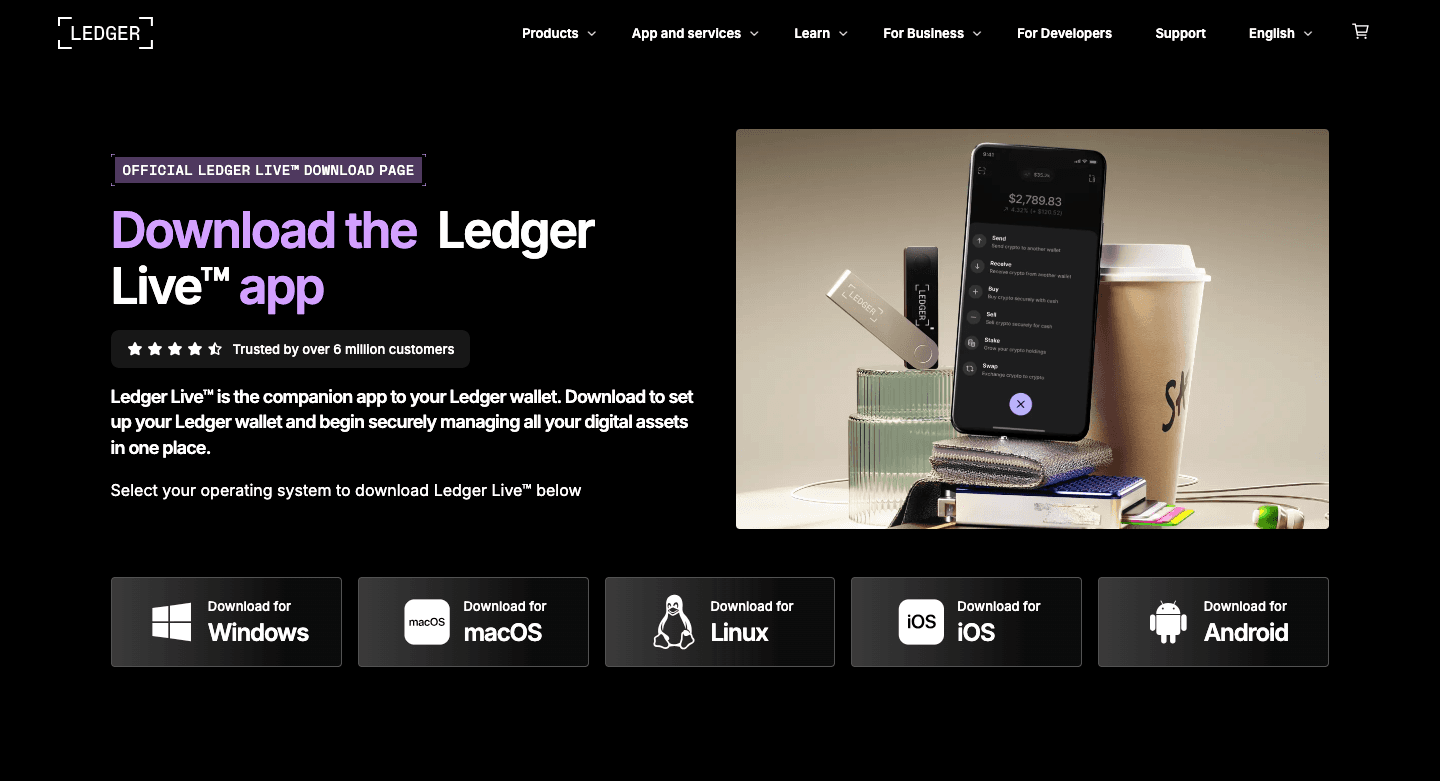
Ledger.com/start: A Beginner’s Guide to Understanding Hardware Wallets and Digital Asset Security
As digital assets continue to grow in popularity, more people are looking for secure ways to protect their cryptocurrencies and other blockchain-based assets. One of the most common starting points for this learning journey is ledger.com/start, a phrase often associated with getting introduced to Ledger hardware wallets and the broader concept of self-custody. While the official website provides product-specific guidance, the ideas behind it are best understood through education and context. This article explains those ideas in a clear, beginner-friendly way.
Understanding the Basics of Digital Assets
Digital assets such as cryptocurrencies are different from traditional money held in banks. Instead of being managed by a central institution, they rely on decentralized networks called blockchains. Ownership is determined by cryptographic keys, not by names, accounts, or passwords stored on a company’s server. This design gives users more control but also more responsibility.
Because there is no central authority that can reverse transactions or restore lost access, security becomes one of the most important aspects of using digital assets. This is where hardware wallets and educational resources like those associated with ledger.com/start come into the picture.
What Is a Hardware Wallet?
A hardware wallet is a physical device designed to store cryptographic keys securely. These keys are used to approve transactions on blockchain networks. Unlike software wallets that run on computers or smartphones, hardware wallets keep sensitive information isolated from internet-connected systems.
This isolation significantly reduces exposure to common online threats such as malware, phishing attacks, and unauthorized access. Even if a computer is compromised, the cryptographic keys stored inside a hardware wallet remain protected. This concept is often referred to as cold storage, meaning the keys are kept offline.
Why Ledger Hardware Wallets Are Popular
Ledger is one of the most well-known companies in the hardware wallet space. Its devices are designed to combine secure hardware with companion software that allows users to manage their digital assets. People searching for ledger.com/start are usually looking to understand how such devices work and how to begin using them responsibly.
The popularity of Ledger wallets is largely due to their focus on security architecture, user accessibility, and support for multiple digital assets. However, no device can replace the need for user awareness. The wallet is a tool, and like any tool, its effectiveness depends on how it is used.
The Concept of Self-Custody
One of the central ideas emphasized around ledger.com/start is self-custody. Self-custody means that you control your own cryptographic keys instead of trusting a third party, such as an exchange or online service, to hold them for you.
This approach offers independence and reduces reliance on external platforms, but it also means that the user is fully responsible for security. If access is lost or compromised, there may be no way to recover the assets. Understanding this responsibility before using a hardware wallet is essential.
Common Security Threats to Be Aware Of
Many problems faced by digital asset users do not come from flaws in hardware wallets themselves, but from external threats and user mistakes. Educational materials related to ledger.com/start often focus on helping users recognize these risks.
Phishing is one of the most common threats. This includes fake websites, emails, or messages that appear legitimate but are designed to trick users into revealing sensitive information. Impersonation attempts on social media and messaging platforms are also widespread.
Another common issue is downloading software from unofficial sources. Fake applications can be designed to look identical to real ones while secretly attempting to steal information. Verifying sources and double-checking website addresses are simple but effective safety habits.
The Role of Companion Software
Hardware wallets are usually used alongside companion software that acts as an interface. This software allows users to view balances, manage supported assets, and interact with blockchain networks. The hardware wallet itself handles the secure signing of transactions.
It is important to understand that the software and the hardware work together. The software provides convenience, while the hardware provides security. Keeping software up to date and using only official versions helps maintain this balance.
Learning Before Acting
One of the most valuable lessons associated with ledger.com/start is the importance of learning before taking action. Rushing into digital asset management without understanding the basics can lead to costly mistakes.
Reading educational material, understanding terminology, and taking time to explore concepts such as private keys, public addresses, and blockchain confirmations can make a significant difference. Knowledge builds confidence and reduces the likelihood of errors caused by confusion or panic.
Education for New and Younger Users
Digital asset technology is increasingly discussed in educational contexts, from computer science to economics. Concepts such as cryptography, decentralization, and digital ownership are becoming more relevant in the modern world.
For younger users, it is especially important to approach these topics with guidance from a parent, guardian, or knowledgeable adult. Understanding not only the technical aspects but also the risks, responsibilities, and legal considerations is crucial. Education should focus on concepts rather than financial exposure.
Continuous Learning and Staying Updated
The blockchain ecosystem evolves quickly. New technologies, software updates, and security research can change best practices over time. For this reason, education should be ongoing rather than a one-time effort.
Resources inspired by ledger.com/start often encourage users to stay informed, review updates from official sources, and remain cautious about unsolicited messages or offers. A security-first mindset is developed over time through consistent learning and awareness.
Final Thoughts
Ledger.com/start represents more than just a setup page. It symbolizes the beginning of a learning process focused on digital asset security, responsibility, and informed decision-making. Hardware wallets are powerful tools, but they are only as effective as the knowledge and habits of the person using them.
By understanding the principles behind hardware wallets, recognizing common threats, and committing to continuous education, users can navigate the digital asset space with greater confidence. In a decentralized world, knowledge is one of the most important forms of security.